Plaster Repair for the Metro's Older Homes
Patch-It-Now repairs lath-and-plaster walls and ceilings across the Kansas City metro — the cracked, bulging, water-stained plaster found in nearly every home built before about 1960. That's a huge share of the housing in Brookside, Waldo, the Historic Northeast, and Armour Hills in Kansas City; almost all of older Independence; Old Leawood; and the original downtown blocks of Olathe and Shawnee on the Kansas side. Most drywall companies won't touch plaster, and most handymen patch it like drywall — which is exactly why the crack comes back six months later. We repair plaster the way it was built, and we've been doing it for Jackson County and Johnson County homeowners since 2014.
What We Repair in Plaster Walls & Ceilings
Plaster fails in predictable ways, and each one has a correct fix:
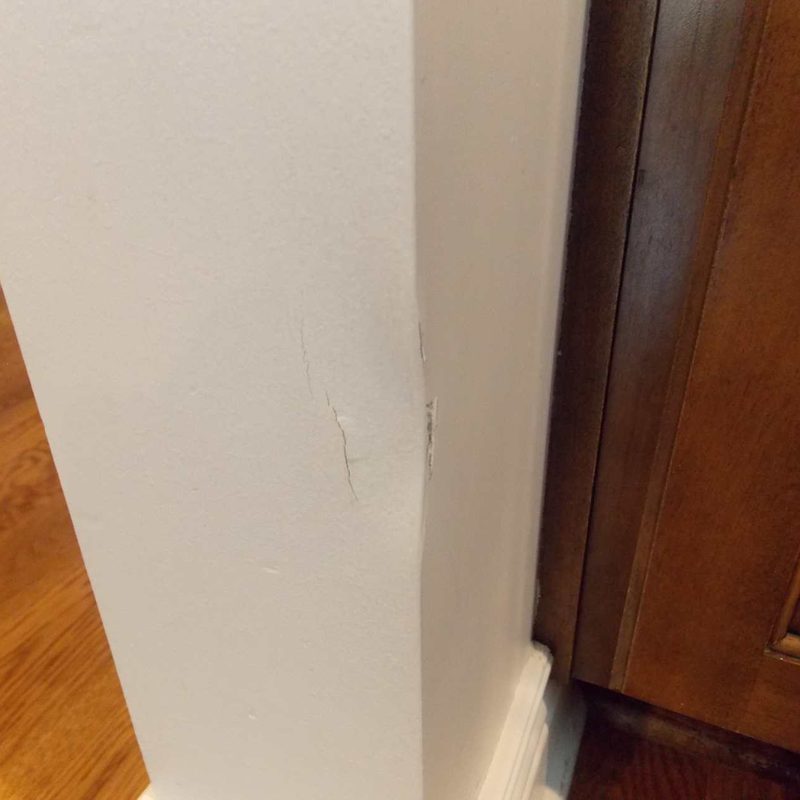
- Cracks — hairline to structural-looking — diagonal cracks off door and window corners, long ceiling cracks, and map cracking. Filled with setting-type compound over fiberglass mesh so they stay closed, not smeared with spackle that pops back out.
- Sagging or loose plaster — plaster that has broken its "keys" and pulled away from the wood lath behind it. It feels spongy when pressed and bows on ceilings. We re-anchor it instead of demolishing it.
- Water-damaged plaster — brown staining, bubbling, and soft spots from roof or plumbing leaks. We cut out what's truly failed, stain-block, rebuild, and blend.
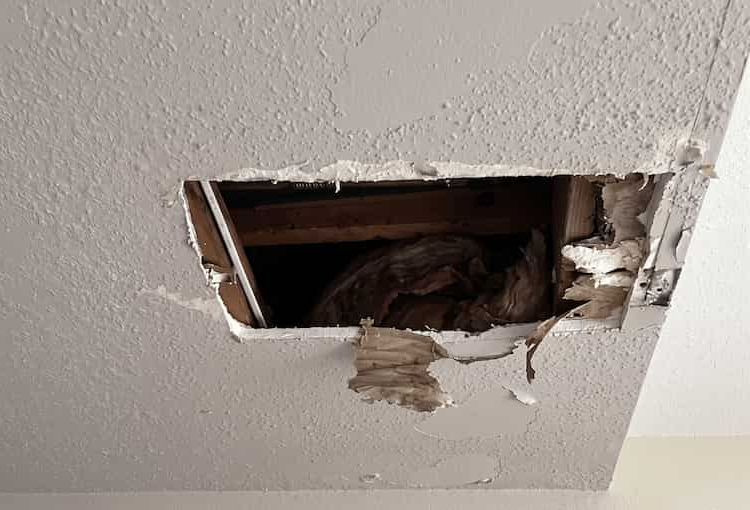
- Holes and old openings — from electrical and plumbing work, doorknobs, or decades of patch-on-patch. Backed, filled hard, and skimmed flat.
- Failed previous repairs — drywall mud or caulk smeared over plaster cracks. We remove the bad patch and do it properly so it's the last time you pay for that crack.
Re-Anchoring: Saving Plaster Instead of Tearing It Out
This is the step that separates real plaster repair from a cosmetic patch. Original plaster was pushed through gaps in wood lath, where it oozed over and hardened into "keys" that hold the wall up. After 70–100 years of vibration, settling, and humidity swings, keys break and the plaster loosens — that's the bulge you can press in, and the reason cracks keep reopening. We draw loose plaster back tight to the lath with plaster washers (screwed anchors that get buried under the finish coat) or adhesive injection for ceilings and decorative surfaces that can't take fasteners. Once the plaster is solid again, the crack repair on top of it actually lasts. Re-anchoring typically costs a fraction of demolition and replacement, keeps the plaster's solid feel and soundproofing, and avoids a week of dust.
Our Plaster Repair Process
Step 1: Sound the Wall and Find What's Loose
We press and tap across the damaged area to map where plaster has separated from the lath. Fixing the visible crack without fixing the loose plaster around it is why most patches fail — so we find the real boundary of the problem first and give you a flat-rate price for all of it.
Step 2: Stabilize and Re-Anchor
Loose sections are pulled back tight with plaster washers or adhesive, and any truly failed material — crumbling, soft, or saturated — is cut back to sound plaster. Floors and furniture are masked and covered before the first cut; plaster work doesn't have to mean a plaster-dust house.
Step 3: Fill Hard, Reinforce, and Build Back
Cracks and cut-outs get fiberglass mesh and setting-type compound — the hard-curing material plaster needs — built up in layers, not one thick smear of lightweight spackle. Washer heads and transitions are buried so nothing telegraphs through.
Step 4: Skim Coat and Blend the Finish
The repair is skim-coated and feathered wide, then finished to match the original surface — dead-smooth for most pre-war walls, or hand-blended to match swirled and troweled textures in mid-century homes. Primed and paint-ready, with the repair invisible once the wall is painted.
A plaster repair is "done" when the wall is solid to the touch and you can't find the repair after paint — not when the crack is merely hidden. That's the standard every job leaves at.
Plaster Ceilings, Access Openings & Remodel Cut-Ins
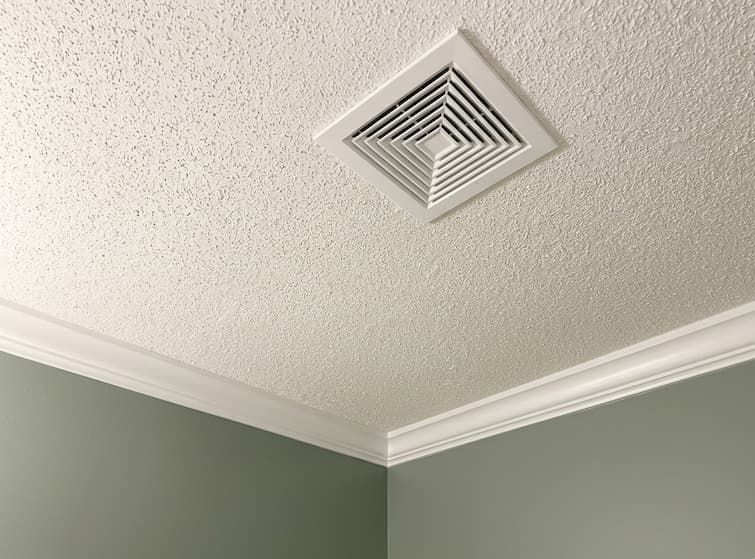
Ceilings are where plaster problems get urgent — a sagging plaster ceiling is heavy, and once keys start failing it only moves one direction. We stabilize and re-anchor plaster ceilings before they let go, and rebuild the sections that already have. We also handle the openings older homes need for modern life: plaster cut open for new ductwork, wiring, plumbing access, or can lights, then rebuilt and blended so you'd never know the ceiling or wall was opened. If an electrician or HVAC crew left a trail of holes through your lath and plaster, that's a routine call for us — and it pairs naturally with our ceiling repair service for homes that mix plaster and drywall.
Plaster Repair Cost
Most plaster crack repairs run $200–$500, depending on length, how much of the surrounding plaster needs re-anchoring, and the finish being matched. Sagging-ceiling stabilization, water-damage rebuilds, and full-wall skim coats vary too much to price sight-unseen, so those are quoted flat-rate after a free in-person look — one honest number before work starts, finish blending included, no hourly meter running. For context on how plaster pricing compares to standard drywall work, see our Kansas City drywall repair cost guide.
Repair the Plaster or Replace It With Drywall?
We get asked this on almost every older-home estimate, and because we do both kinds of work, you'll get a straight answer. Repair wins when the plaster is mostly sound: it's cheaper, far less disruptive, and preserves the dense, quiet, slightly irregular character that makes older walls feel better than new ones. Replacement with drywall wins when plaster is delaminating across whole ceilings, crumbling from decades of moisture, or you're already opening walls for wiring, plumbing, or insulation anyway — re-anchoring plaster that's failing everywhere is paying twice. When we do replace, we finish the new drywall with a smooth or matched finish so it doesn't look like a modern wall dropped into an old house. Either way, the recommendation comes from what the wall needs, not what's easiest to sell.
Why Older-Home Owners Call Us
Plaster is hand-skill work, and Patch-It-Now is a repair specialist — not a paint crew that "also patches." Founder Jose has spent over a decade matching finishes across the metro's older neighborhoods, the company holds a 5.0-star rating across 83 Google reviews, and we show up when we say we will, protect the house like it's ours, and leave the work area cleaner than we found it. Curious why your plaster cracks where it does? Read our guide: Why Plaster Walls Crack in Older Homes (and How to Fix Them) — or if your cracks are in drywall rather than plaster, see our drywall crack repair service.